Enhance Your Brand with the Migta Story Font
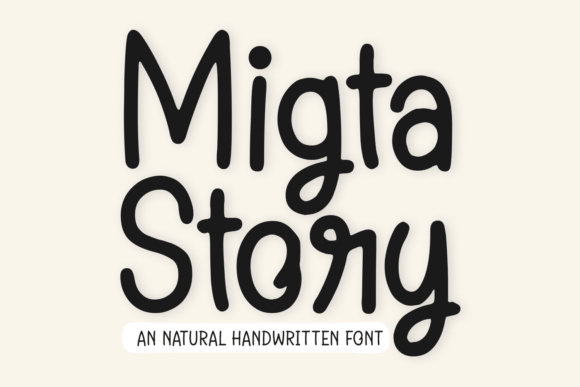
As a small business owner, I’m always looking for ways to make my brand stand out. When I discovered Migta Story, a modern handwritten script font, I knew it was something special. It has a natural, stylish look that brings a personal touch to any project. Whether you're designing a logo or creating social media content, this font can elevate your brand’s visual identity and help you connect with your audience more effectively.
Why Font Choice Matters for Small Businesses
Fonts are more than just letters on a page—they’re part of your brand’s personality. The right font can make your business look more consistent, professional, and trustworthy. For entrepreneurs and creators, choosing a font like Migta Story means investing in a design asset that supports your brand across multiple touchpoints, from packaging to digital ads.
What Makes Migta Story Unique
Migta Story is a Script Amp font with a contemporary handwritten feel. It’s not overly ornate, which makes it versatile for different applications. The font has a warm and approachable tone, perfect for businesses that want to feel authentic and personable. It works especially well for brands in creative industries, food and beverage, wellness, and lifestyle niches.
Real-World Uses for Migta Story
I’ve used Migta Story in several aspects of my own branding and marketing. Here are some practical examples of how it can be applied across your business materials:
- Logo design: Use it as a primary logo font for a boutique or artisan brand. It gives a custom, handcrafted look that’s easy to recognize.
- Packaging design: Whether it’s a candle label or skincare product packaging, this font adds a premium feel that customers notice.
- Social media graphics: From Instagram stories to Pinterest pins, Migta Story looks great on visual content and helps maintain a cohesive brand aesthetic.
- Printed materials: Business cards, thank-you notes, and flyers all benefit from the font’s elegant, handwritten style.
- Website banners: Use it as a display font in headers or call-to-action sections to create visual interest without sacrificing readability.
How Migta Story Helps Build Brand Consistency
Consistency is key to building a recognizable brand. Migta Story offers a unique but balanced style that works well across both digital and print platforms. When I started using it for my product labels and email newsletters, I noticed a stronger visual connection between all my materials. Customers began to associate the font with my brand voice—something that’s hard to achieve with generic typefaces.
Readability Across Different Formats
One of the biggest concerns when using a decorative font is readability. Migta Story strikes a good balance—it’s expressive but not difficult to read. I’ve used it on small product tags and mobile-friendly web banners without any issues. However, I recommend using it primarily for headlines, accents, or short blocks of text rather than long paragraphs, especially in print or on small screens.
When to Use Migta Story
Here’s how I incorporate Migta Story into my brand materials:
- Logo or brand name: As a headline font, it adds elegance and memorability.
- Call-out text: Perfect for quotes, testimonials, or special offers in marketing materials.
- Accent typeface: Use it to highlight a word or phrase in a design that otherwise uses a cleaner font.
- Social media captions: It adds a personal touch to images and reels without overwhelming the message.
Font Pairing Tips for Business Owners
To keep your designs looking professional, pair Migta Story with more neutral fonts. I often use a clean sans serif like Montserrat or Open Sans for body text. This combination ensures readability while letting the script font shine as a design highlight. If you're going for a more classic look, try pairing it with a serif font like Playfair Display for headings and Georgia for subtext.
Test Before You Commit
Before rolling out a font across your entire brand, it’s smart to test it in a few different contexts. I created mockups of my packaging, website headers, and Instagram templates using Migta Story before finalizing my brand update. This helped me see how it performed in real-world settings and ensured it aligned with my brand’s visual goals.
Check Licensing for Commercial Use
If you’re planning to use Migta Story in commercial projects—like product packaging, merchandise, or client work—make sure you have the proper licensing. Many premium fonts require a commercial license for use beyond personal projects. I always double-check the font’s license terms before using it in anything I sell or distribute.
Final Thoughts on Using Migta Story
Migta Story is more than just a pretty font—it’s a practical tool for small business owners who want to build a cohesive, memorable brand. Whether you’re a café owner designing a menu or a handmade product seller creating labels, this modern handwritten script font can help you look more professional and connected to your audience. Paired with the right supporting fonts and used thoughtfully across your materials, it can become a signature part of your brand identity.