h1Petalscript: A Handwritten Font That Elevates Small Business Branding/h1
pWhen I first started my small candle-making business, I focused on perfecting the scent, wax blend, and jar design. But after launching, I noticed something was missing—my branding felt generic. Customers loved the candles, but the labels didn’t reflect the care and creativity that went into each one. I knew the visuals needed a refresh, especially since I was selling both online and at local markets. Typography wasn’t something I’d thought much about before, but it quickly became clear that choosing the right font could make a big difference in how customers perceived my brand./p
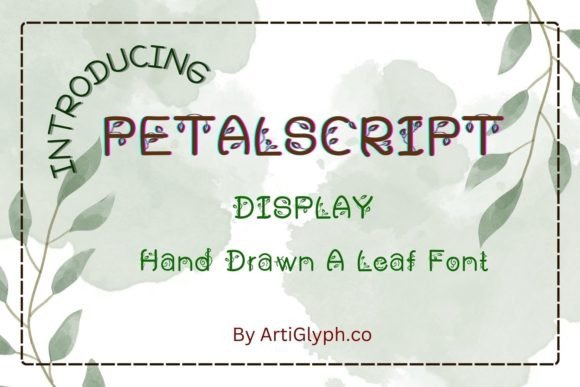
pThat’s when I discovered Petalscript—a clean, elegant handwritten font with delicate leaf accents. It instantly caught my eye because of how naturally it balanced warmth and professionalism. Unlike other script fonts I’d tried, which either looked too casual or overly ornate, Petalscript had a soft, organic feel that worked perfectly for product labels, packaging, and even social media posts./p
h2Why Petalscript Fits Small Business Branding Needs/h2
pPetalscript belongs to the Script Amp category of fonts, which means it's ideal for adding a personal, handcrafted touch to brand visuals. It’s a handwritten typeface that feels intentional and polished, not messy or childish. The tiny leaf details give it a botanical charm that’s subtle enough for professional use but distinctive enough to stand out./p
pAs a small business owner selling artisan products, I wanted my brand to feel approachable yet refined. Petalscript helped me achieve that balance. Whether I was designing candle labels, thank-you cards, or Instagram stories, the font brought a sense of cohesion to my materials. It gave my brand a consistent voice—friendly, thoughtful, and just a little whimsical./p
h2How I Used Petalscript Across My Brand Materials/h2
pOne of the best things about Petalscript is its versatility. I started by using it on my candle jars. I switched from a basic sans serif font to Petalscript for the product names and scent descriptions. It gave the labels a more artisanal feel, and customers commented on how elegant the packaging looked./p
pNext, I applied it to my thank-you cards. I used Petalscript for the greeting and closing lines, pairing it with a simpler sans serif font for body text. The result was clean, readable, and full of personality. I also used it in my Instagram templates, especially for quote posts and product highlights. The font looked great on both desktop and mobile screens, which was important since most of my audience browsed on their phones./p
pI even used Petalscript in my logo design. It worked well for a small brand name or tagline, especially when I wanted to evoke a sense of craftsmanship and care. It’s best used for short phrases or headlines rather than long paragraphs, so I reserved it for titles, accents, and display text./p
h2Typography Matters More Than You Think/h2
pBefore I made the switch, I underestimated how much typography affects brand perception. A font choice can shape how customers feel about your business before they even read the words. Petalscript helped me create a more trustworthy and recognizable brand identity. It made my visuals feel more intentional and less like a random collection of fonts and colors./p
pFor small businesses, consistency is key. Using the same font across packaging, social media, and print materials helps customers recognize your brand faster. Petalscript became a signature part of my visual identity, just like my color palette and logo. It wasn’t just a design tweak—it was a branding decision that made my business feel more cohesive and professional./p
h2Real-World Uses for Petalscript in Business Design/h2
pPetalscript works especially well for businesses in creative or lifestyle niches. For example, a bakery could use it on packaging boxes or cupcake tags to give a warm, handcrafted feel. A skincare brand might apply it to product labels or ingredient lists to create a natural, organic vibe. A café could use it for daily specials or dessert menus to add a touch of personality./p
pEven if you're not a designer, you can easily incorporate Petalscript into your visuals using tools like Canva, Adobe Express, or Photoshop. It’s a downloadable font in standard file formats, so you can install it on your computer and use it in most design software. Just make sure to check the licensing agreement if you're using it for commercial purposes, especially on product packaging or merchandise./p
h2Tips for Using Petalscript Effectively/h2
pBecause Petalscript is a decorative font, it’s best used sparingly. I found that it worked best when paired with a simple sans serif like Montserrat or Lato for contrast. That way, the handwritten style stood out without overwhelming the design. I also made sure to use it at a readable size—especially for printed labels or mobile graphics, where small text can become hard to read./p
pAnother thing to keep in mind is spacing. Since it’s a script font, tight letter spacing can cause the characters to blend together. I adjusted the tracking slightly in my design software to ensure clarity, especially on small product tags or stickers. And if you're using it in a logo, test it at different sizes to make sure it looks good both on a website banner and a business card./p
h2Final Thoughts on Choosing the Right Font for Your Brand/h2
pPetalscript helped me transform my candle business from looking like a side hustle to feeling like a real brand. It’s amazing how a single font can bring more warmth, consistency, and professionalism to your visuals. Whether you're updating your packaging, designing social media posts, or creating thank-you notes, choosing the right typeface is a small but powerful way to improve your brand presence./p
pIf you're a small business owner or entrepreneur looking to refresh your visual identity, don’t overlook the impact of typography. Petalscript may just be the missing piece that brings your creative ideas to life./p