Pakwan: A Handwritten Script Font That Brings Personality to Your Craft
Yesterday morning, I sat down at my desk with a warm mug of tea and a fresh candle label design to tackle. The scent of lavender and eucalyptus filled the air as I opened my design software, ready to bring a new seasonal label to life. I knew I wanted a font that felt warm, personal, and just a little whimsical—something that would stand out on a shelf but still feel grounded in handmade charm. That’s when I opened up Pakwan.
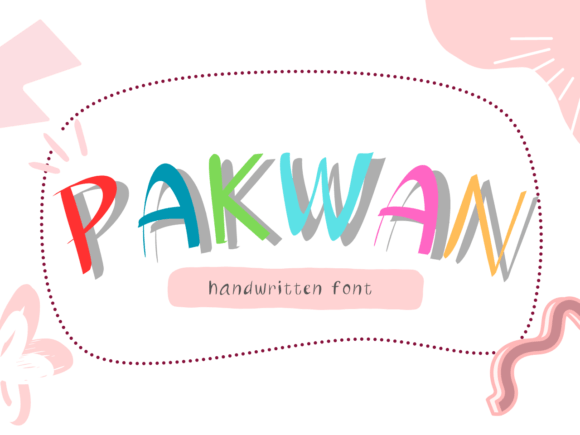
Pakwan is a script font that feels like a handwritten note from a dear friend. It’s not perfectly uniform, and that’s exactly what makes it special. The strokes vary in weight, the curves feel natural, and the overall rhythm of the letters gives your text a sense of motion, like it was just written moments ago. It’s a font that carries its own story, and when you use it on your handmade products, it tells your story too.
Bringing Labels to Life with Pakwan
I started with a simple candle label design for my spring collection. I wanted the product name to pop but still feel organic, not forced. I typed “Spring Rain” in Pakwan and immediately felt the warmth I was looking for. The lowercase “s” has a soft tail, and the “r” curls just enough to feel like it belongs in a botanical sketchbook. I adjusted the size so it would print clearly on a 2-inch wide sticker, and even at that small scale, Pakwan held up beautifully.
Because Pakwan is designed with different brush styles in mind, it has a textured, painterly quality that works especially well on natural materials like kraft paper, linen tags, or recycled packaging. It’s perfect for boutique-style product labels, whether you're printing candle jars, soap wraps, or custom tea bags.
Wedding Invitations with a Personal Touch
Last week, I helped a friend design a set of rustic wedding invitations. We wanted the text to feel elegant but not overly formal—something that matched the vibe of a backyard ceremony. I used Pakwan for the couple’s names and the event date. The font’s flowing lines added a romantic feel without looking too scripted or old-fashioned.
What I love about Pakwan for wedding stationery is how it balances between modern and timeless. It pairs beautifully with a clean sans-serif like Montserrat or Lato for the rest of the details—addresses, times, RSVP info—so the design feels balanced and intentional. You get the emotional warmth of a handwritten font without losing readability or structure.
Printable Wall Art and Planner Pages
When I design printable wall art for my shop, I’m always looking for fonts that can carry a message while still being visually engaging. Pakwan works great for short quotes, affirmations, and seasonal sayings. I recently created a “Welcome Spring” printable using Pakwan for the main text, and layered it over a watercolor-style floral background. The contrast between the brushy font and the soft illustration made the design feel alive.
For planner pages, I use Pakwan sparingly—mainly for headers and special section titles. It's not ideal for long paragraphs or tiny date boxes, but it adds a personal, crafty feel to monthly spreads and habit trackers. I recommend using it at 14pt or larger for digital printables so the texture and brushstrokes stay visible when printed at home.
Stickers, Tags, and Seasonal Packaging
I recently tested Pakwan on a set of holiday gift tags and found that it worked surprisingly well for small-format designs. I made a batch of “To: Grandma, From: Love” tags and used Pakwan for the names. Even at a small print size, the font remained legible and charming.
For sticker sheets, I suggest using Pakwan for decorative phrases rather than long descriptions. It’s a display font at heart, so it shines brightest when used for names, titles, and short phrases. When cutting with a Cricut or Silhouette, make sure to set the font to outline mode so the brush strokes don’t get lost in the cut lines.
Font Pairing Tips for Makers and Sellers
One of the most important design choices you can make when using Pakwan is choosing the right font pairing. Since it’s a script font with a lot of personality, it works best when balanced with something clean and structured. I often pair it with a simple sans-serif like Open Sans or a light serif like Merriweather for body text.
If you’re designing a t-shirt or tote bag, try using Pakwan for the main design and a bold sans-serif for a supporting line. For example, a tote that says “Made with Love” in Pakwan could have a small line underneath that reads “Handcrafted in My Studio” in a minimalist sans-serif. It creates a visual hierarchy and keeps your design from feeling too busy.
Things to Keep in Mind When Using Pakwan
Before you start using Pakwan in your commercial products, it’s important to check the licensing terms. Most quality script fonts like Pakwan come with a commercial use license, which means you can use them in physical products, digital downloads, and shop branding materials.
Also, be sure to explore all the included styles. Some script fonts offer alternate characters, ligatures, and swashes that can add variety to your designs. If your design software supports OpenType features, you’ll get even more creative control with Pakwan.
And finally, always test your font size and spacing before printing. Especially for small items like tags or stickers, a quick mockup can save you from disappointment later. Zoom in to check how the strokes connect and make sure the spacing feels right for your intended use.
Final Thoughts
Pakwan is more than just a font—it’s a creative tool that helps handmade sellers and product makers connect with their audience in a more personal way. Whether you’re designing candle labels, greeting cards, wedding invitations, or digital printables, this script font adds a unique, handcrafted touch that elevates your work. It brings warmth, character, and authenticity to every product, making your shop feel more human and your designs more memorable.